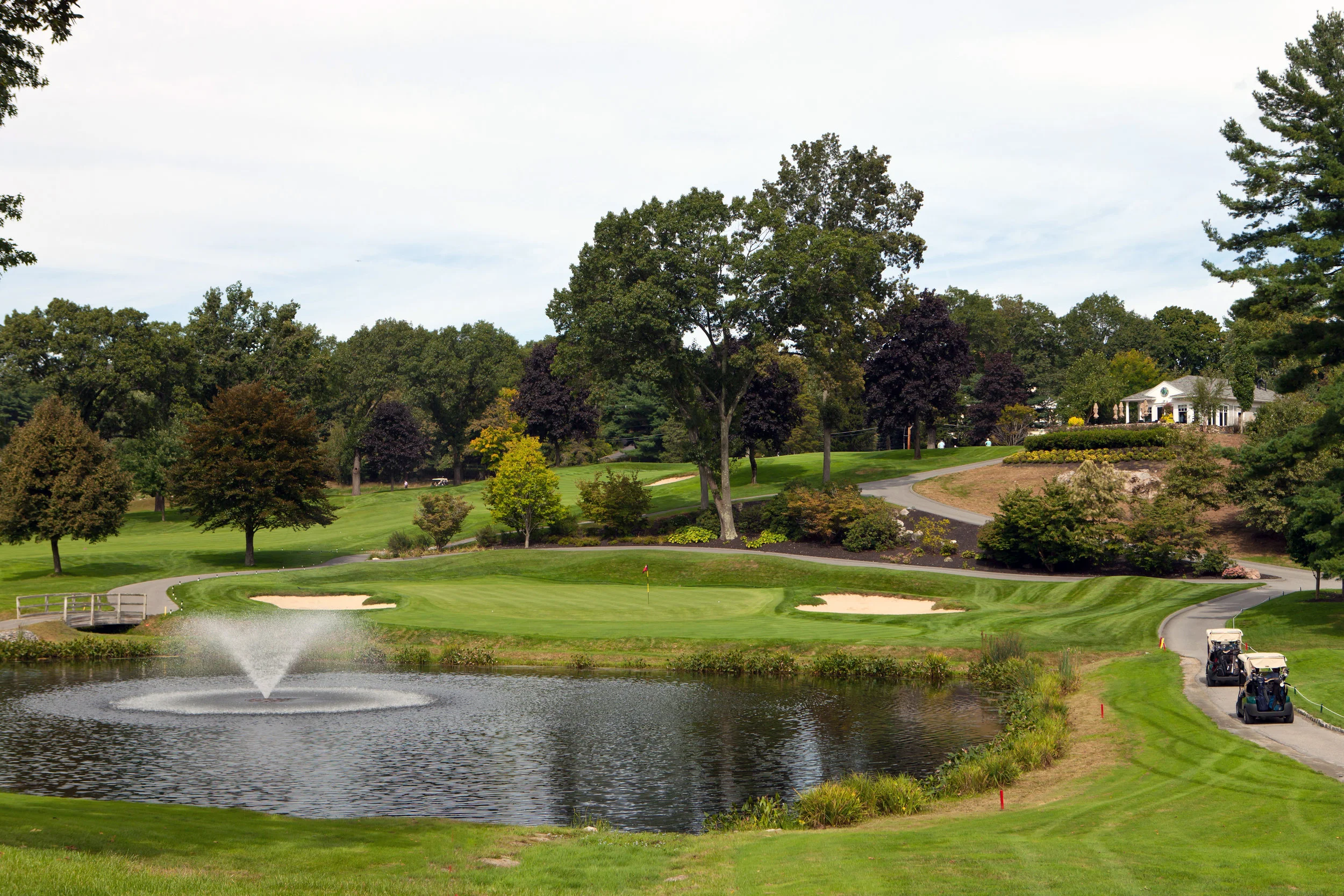
Thank you to our sponsors, donors, friends and family who have continued to drive the success of the Bob Parsons Memorial. We are forever grateful for your support.
Your commitment to Dana-Farber is having an impact on a number of important fronts. The Bob Parsons Memorial is supporting some of the most promising junior investigators at Dana-Farber.
2026 Bob Parsons Memorial Hosted by Shem Creek Capital
Funding Area Descriptions
Since 1947, Dana-Farber has been pushing the frontiers of cancer science and patient care, beginning with founder Sidney Farber,
MD, and his landmark targeted therapy that achieved the first remissions in childhood leukemia. Today, Dana-Farber investigators
continue to uncover the drivers of cancer, pioneer novel detection and prevention approaches, and develop next-generation thera-
pies.
Philanthropic support powers every stage of therapeutic development—from foundational basic science to clinical trials and, ulti-
mately, delivery to the clinic. This continuum transforms scientific insight into elevated cancer care and outcomes, bringing re-
newed hope and options to patients everywhere.
Pancreatic Cancer Early Detection Research
Dana-Farber's Hale Family Center for Pancreatic Cancer Research is home to world-class physician-scientists working to advance
pancreatic cancer prevention, diagnosis, and treatment. Under the leadership of Brian Wolpin, MD, MPH, specialists are con-
ducting basic, translational, and clinical research to make real inroads against this formidable disease. With your help, our investi-
gators have been empowered to undertake ambitious studies in early detection, therapeutic innovation, and clinical trial develop-
ment to revolutionize how we care for patients and, ultimately, save more lives.
For patients with pancreatic cancer, their greatest hope for survival lies in early detection. Unfortunately, with few early symptoms
to prompt a timely diagnosis, up to 85% of patients are brought into care with advanced disease when available treatments can
rarely cure the cancer. Thus, effective diagnostic tools for early cancer detection would be a revolutionary breakthrough for this
notoriously hard-to-treat cancer. Hearteningly, recent strides made by Dana-Farber researchers have brought us closer to this goal.
Mina Stanikic, MD, PhD currently serves as the Bob Parsons Fellow aiming to translate this research into earlier detection for pa-
tients allowing treatment a better chance of success.
Chronic Lymphocytic Leukemia (CLL) Research
Chronic lymphocytic leukemia (CLL) is a blood and bone marrow cancer characterized by the overproduction of abnormal lympho-
cytes, a type of white blood cell. These cells can crowd out healthy blood cells, leading to issues like fatigue, infections, and swollen
lymph nodes. One of the most difficult aspects of CLL is its unpredictable nature; the disease can remain stable for extended peri-
ods or suddenly progress, making it essential to develop adaptable and effective treatment options.
The Center for Chronic Lymphocytic Leukemia at Dana-Farber Cancer Institute combines unique expertise in caring for this B-cell
cancer with lab and clinical research aimed at developing the next generation of treatments for patients with CLL. The center is co-
led by Matthew Davids, MD, MMSc, who played a key role in the clinical development and FDA approval of venetoclax, and also
leads an active translational research program in CLL, studying disease biology and leading clinical trials to evaluate new therapeu-
tic strategies. Salem Elias, BSc, MBBS, who serves as the Goldberg Family Fellow is investigating natural killer (NK) cells, the im-
mune system’s first defense against infection and disease that play a critical role in the body’s anti-tumor response.
Patient Assistance Crisis Fund
Dana-Farber has long been committed to easing the financial burdens that often accompany cancer diagnosis and treatment for
patients and their families. Underscoring this commitment, the Division of Patient and Family Programs and Services, led by Senior
Director Deborah Toffler, MSW, LCSW, provides needs-based assistance—including gas and grocery store gift cards and discounted
short-term lodging—to more than 1,400 eligible families throughout the year. This assistance often acts as a bridge between imme-
diate need and longer-term solutions.
Your generous support of Dana-Farber Cancer Institute’s Patient Assistance Programs plays a critical role in this effort. While we
cannot eliminate the challenges patients and families face, your philanthropy helps to ensure that essential needs, such as food,
housing, and transportation, never stand in the way of care.